
When the trailer for Wicker dropped in 2025, something predictable happened. Within days, IKEA was posting wicker furniture on its Instagram grid. Sephora was filming its shelves through a wicker-framed lens. A dozen brands had independently decided that the material was the message, before a single frame of the film had been publicly screened.
This is what modern brand-film entanglement looks like. Not a logo on a desk in a scene, but an entire aesthetic conversation conducted across social media in the weeks before a film opens. The movie had not been released. The brands were there anyway.
It is a long way from where this started.
The Early Days
The arrangement between brands and moving pictures is almost as old as cinema itself. The Lumiere brothers' early films passed through streets, drove past buildings, featured recognisable vehicles. Whether that was intentional commercial interest or simply documentary instinct is difficult to say. The camera pointed at the world, and the world contained products.
By the 1920s and 30s, the relationship was more deliberate. Cigarette companies understood early that a star smoking on screen was worth more than a billboard. Humphrey Bogart, Bette Davis, Cary Grant, their smoking was glamour, and the manufacturers knew it. Studios accepted cigarettes, cars and alcohol as props in exchange for financial consideration, sometimes cash, sometimes supply, sometimes both.
This was product placement before the term existed. There were no formal contracts, no disclosed arrangements, no line items in a marketing budget. It was closer to gifting: you put the product in the scene, something of value changed hands, and nobody talked about it. The magic worked precisely because no one could see the mechanism.
The Deal That Changed Everything
The modern era of product placement has a precise starting point.
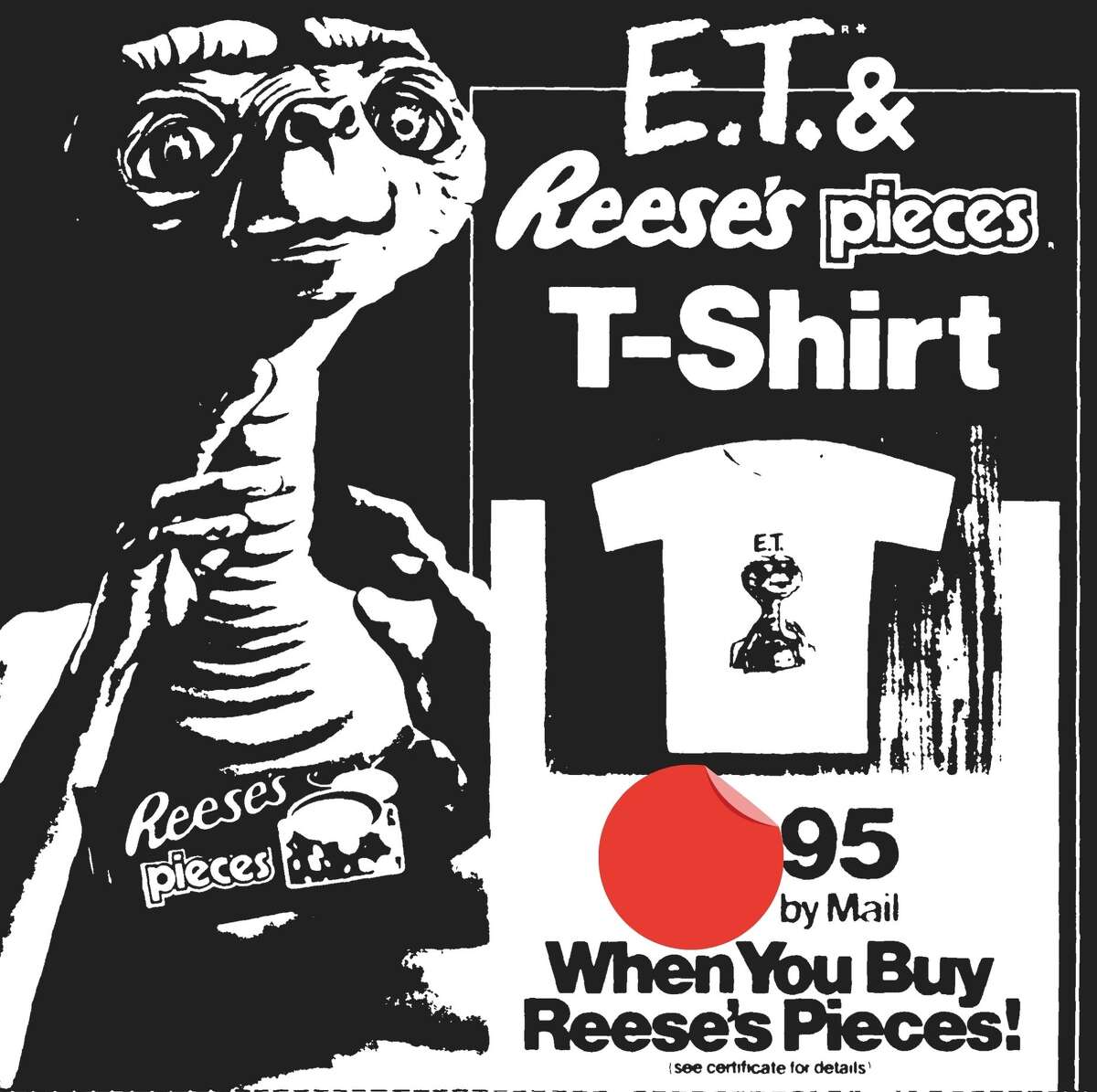
In 1981, Spielberg's team approached Mars Inc. with an offer: feature M&Ms in the film that would become E.T. the Extra-Terrestrial. Mars declined, reportedly concerned about associating the brand with an alien. Hershey accepted the same deal for Reese's Pieces, and one of the most consequential commercial decisions in entertainment history was settled by a company that had been turned down first.
The result was the most famous product placement in cinema history. Elliott uses Reese's Pieces to lure E.T. out of hiding. The scene is gentle, warm, and entirely without irony. It does not feel like an advertisement. It feels like something a child would actually do. That was the point, and it was also the lesson: when the product belongs to the story, it disappears as a product and becomes part of the world.
Reese's Pieces sales increased by approximately 65% in the weeks following the film's release in 1982. The placement had done what no thirty-second spot could have: it made a product feel like it belonged to a moment people loved.
The Golden Age of Placement
After E.T., brands and studios developed a shared language, and a shared understanding that the right placement could do the work of years of advertising.
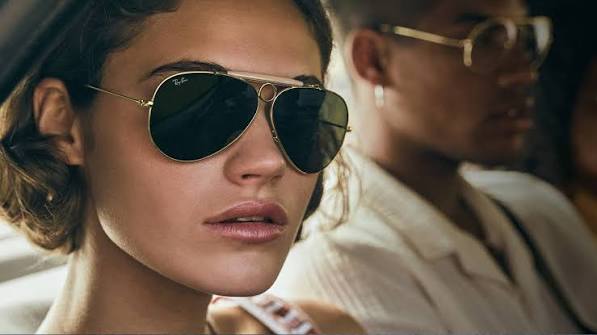
Top Gun (1986) is the canonical example of this era. Ray-Ban's Aviator sunglasses had been in quiet decline for years. The film put them on Tom Cruise and sales rose by approximately 40% the following year. No dialogue sold them. No plot point required them. They were simply on a face the audience wanted to be, worn by a character living a life the audience wanted to live. The glasses were the least interesting part of the scene. That was why they worked.
The James Bond franchise became one of the most sophisticated brand platforms in entertainment history. BMW replaced Aston Martin across several films, reportedly paying $3 million for the placement. Omega watches, Heineken, Sony — each successive Bond film was also a product showroom, dressed to look like a film. The brands understood that Bond was not merely a character but a system of aspirational associations: competence, style, danger, taste. Whatever appeared in his world absorbed something of those qualities.
The 1990s refined the practice into a full industry. Jurassic Park generated more revenue from licensed merchandise than from ticket sales. Cast Away (2000, though produced in the late-90s mindset) featured FedEx so centrally that the company served as both plot engine and visual identity of the film. The brand did not just appear. It was load-bearing. Remove FedEx from Cast Away and there is no film.
Integration and Backlash
The 2000s brought two things simultaneously: more sophisticated integration and a more sophisticated audience.
The Truman Show (1998) was already ahead of both. Truman's world is a constructed reality full of brands that his wife holds up to an invisible camera, narrating their features to no one in the room. The film's critique was precise and devastating: if the arrangement is visible, it breaks the story. The magic of E.T.'s Reese's Pieces was that nobody noticed they were being sold something. Truman's wife holds the cereal box with both hands and smiles at nothing. You notice. That is the horror.
By the mid-2000s, audiences were noticing in real films too. Critics catalogued placements. Blogs counted logo appearances. The word "shoehorned" entered the film vocabulary, and once audiences had it, they used it constantly. The collective tolerance for obvious placement began to fall.
The industry responded not by reducing placement but by integrating it more deeply. I, Robot (2004) built a scene around Alex Spooner's collection of vintage Converse Chuck Taylors. It was a character choice, a detail that told you something about who this man was. The brand had become part of his identity rather than an interruption to the scene. This was the distinction that would define everything that came after: the difference between a brand placed in a film and a brand woven into what the film is.
The Streaming Era
Netflix's arrival created a specific disruption to the logic of screen advertising.
Subscription television had promised audiences relief from commercial interruption. Netflix delivered on this, building a global base of viewers who had specifically opted out of the advertising model. For brands, this created a concentrated problem: the most engaged, most affluent streaming audiences were now the hardest to reach through traditional means. They had paid to be unreachable.
The solution arrived from an unexpected direction. Stranger Things Season 2 (2017) made Eggo Waffles a recurring character across multiple seasons. Eleven's fixation on the product was completely in character: a child who had been institutionalised would attach herself to a simple, reliable food pleasure. The brand enriched the story. Kellogg's saw a measurable sales increase. But the placement worked because it was invisible as placement, absorbed entirely into who Eleven was.
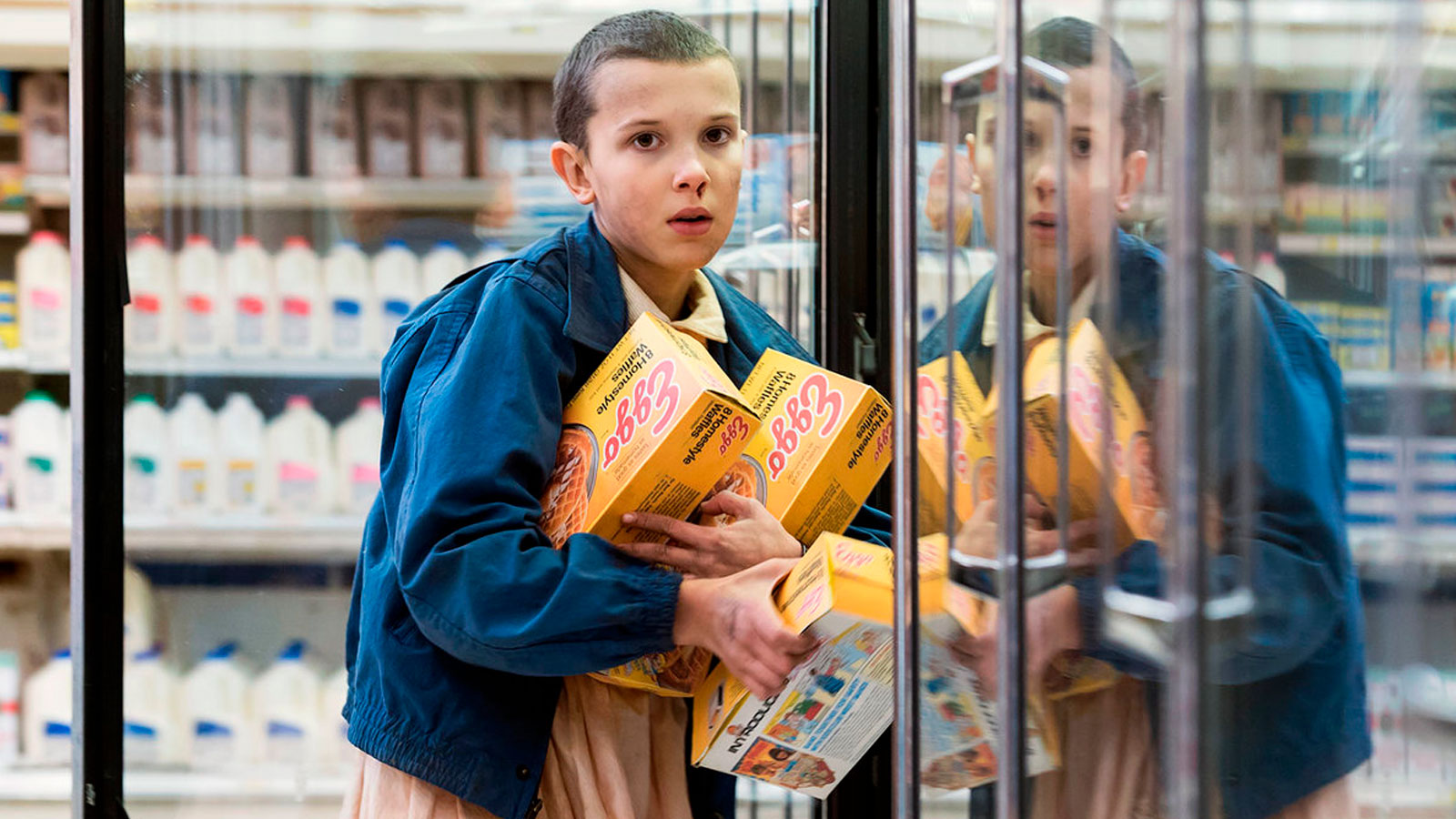
This became the streaming-era template. The brand had to earn its place in the narrative. A logo on a laptop was no longer sufficient. The product had to mean something to the character, or the character meant nothing to the audience.
When the Movie Becomes the Campaign
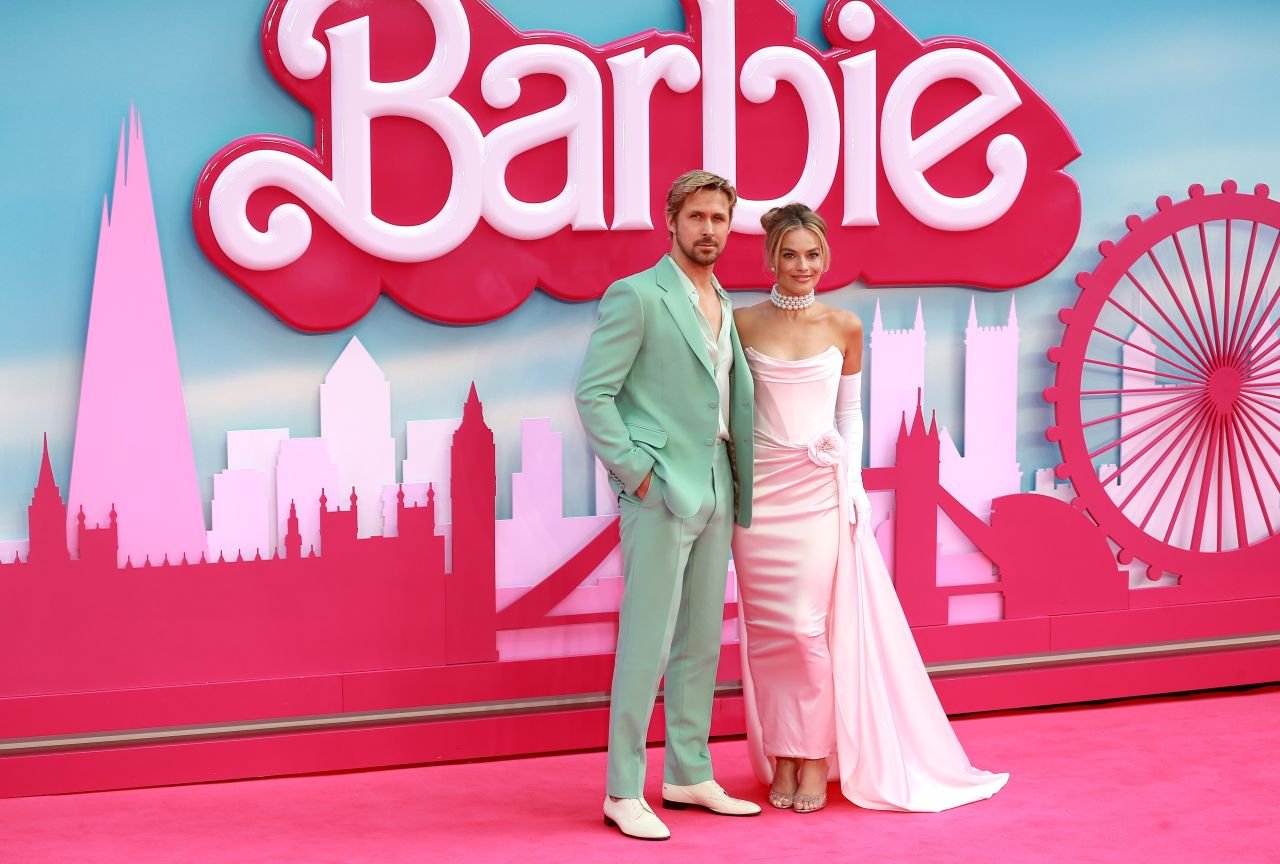
Barbie (2023) is the clearest example of what has replaced traditional placement. And it changed everything again.
Mattel and Warner Bros. did not simply license the Barbie name to a film. They constructed a cultural event, months before release, in which Barbie pink became a shared visual language that any brand could speak. The collaborations ran to more than 100: Crocs, Xbox, Airbnb, Gap, Burger King, NYX Cosmetics, OPI, Moon Boot. Each collaboration extended the conversation. Each brand's participation was also marketing for the film. The line between advertisement and entertainment was not blurred. It was deliberately dissolved, and the results were extraordinary on both sides.
The architecture of the Barbie campaign was replicable, and Wicked (2024) proved it. The film's dual palette, Glinda's pink against Elphaba's green, became a framework that brands could adopt as a position. Which side are you on? It was simple, visual, and endlessly replicable across social content. The film gave brands a question to answer, and the brands answered it in their own voice, reaching their own audiences, generating content the film's marketing team could not have produced themselves.
Now Wicker (2025), where brands are adopting an aesthetic from a film not yet screened. The cultural conversation begins before the first screening, driven by the material's visual distinctiveness and the brands' willingness to participate in what might become a moment. The risk has changed too: brands are now making bets, not reporting on outcomes.
What This Means for Brands
The lesson from a century of brand-film relationships is not that placement works. It is that alignment works.
The Reese's Pieces deal worked because the warmth of the product matched the warmth of the scene. The Ray-Bans worked because the brand's existing associations, pilots, cool, American confidence, were exactly what Top Gun was already selling. The brands that fail in this context are the ones that want the audience without the story, that want the cultural moment without the cultural fit.
Social media has compressed the timeline but has not changed the underlying logic. IKEA posting wicker content works if the material genuinely belongs to IKEA's visual world: natural textures, considered domesticity, a certain unhurried Nordic quality. It fails, and the audience can feel it fail, if it reads as opportunism. Audiences in 2025 are precise sensors for the difference between a brand that belongs to a moment and a brand that arrived hoping to borrow one.
The question a brand should ask is not: can we appear in this cultural moment? The question is: does this cultural moment belong to us? Is the aesthetic ours? Is the story one we were already telling? If the answer is yes, participation is honest. If the answer is no, the audience will notice, and they will say so.
The Visual Prerequisite
There is a design condition that underlies all of this, and it is one that cannot be improvised at the moment of opportunity.
A brand that wants to participate in a cultural moment driven by a film's visual language needs to be visually coherent enough to translate into that language. Barbie's palette worked because Mattel's pink is precise and defensible. It is not a pink. It is a specific pink, protected, consistent, instantly recognisable at distance. The same is true of Wicked's green. The same is true of wicker as a material: it has a look, a texture, a quality. The brands that showed up were the ones that could visually inhabit it.
A brand with an inconsistent visual identity, shifting colours, unsettled typography, an unclear aesthetic point of view, cannot participate in these moments. Not because they are excluded, but because they have nothing to bring. The collaboration requires you to show up as yourself, clearly and recognisably, and add your voice to a conversation already in progress. If you have not built that voice, there is nothing to add.
The films are not creating opportunities for any brand. They are creating opportunities for brands that are ready. The work of being ready is not done in the weeks before a trailer drops. It is done in the years of consistent visual and strategic identity work that precedes any cultural moment worth participating in.
Elliott used Reese's Pieces because they were small, bright, and easy to follow across a dark lawn. Forty years later, the principle is the same: the brand has to be easy to see, easy to follow, and clearly itself. The scene has always been the ad. The brand just has to be worth watching.